The Girl Who Learned to Fly

They thought she would die.
So they left her on the cold stone steps of a temple, wrapped in an old cloth, tiny and silent.
A baby with needles in her future and insulin in her fate.
Type 1 diabetes—words that sounded like a death sentence in that village.
Her parents walked away.
Not because they didn’t love her.
But because they didn’t know how to fight something they could not afford, could not understand, and could not see.
The next morning, the temple bells rang again.
And she was still alive.
Her grandmother came looking—half hope, half grief.
She lifted the cloth, expecting stillness.
Instead, she found breath.
Weak. Stubborn. Alive.
That was the first time this girl defied expectations.
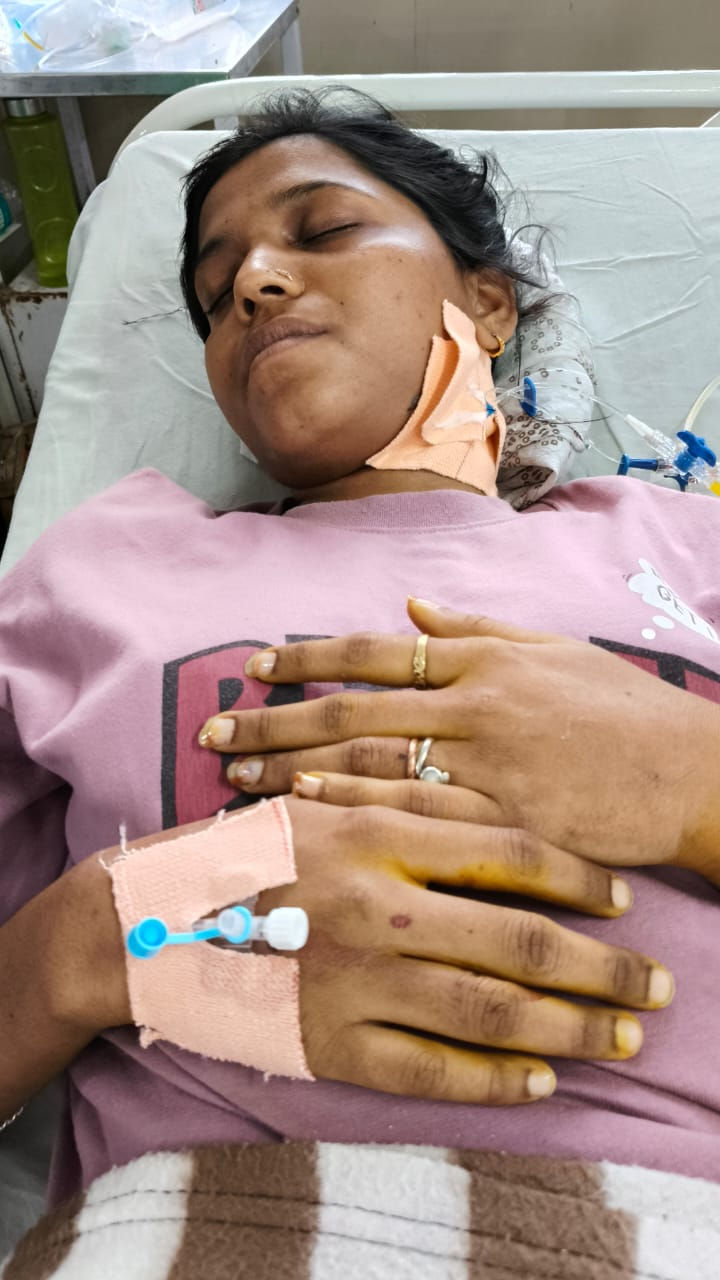
She grew up wild.
Angry at the world.
Angrier at her body.
Hospitals became her second home.
Needles came and went.
Her body grew thin, almost hollow,
worn down by sugar highs and lows, by infections, by refusal.
She was brilliant in everything, except caring for herself.
Her parents begged.
Doctors explained.
Counsellors tried.
She listened.
And then she said, clearly and calmly,
“I’m not going to do it.”
Not that I can’t.
Not that I don’t know how.
“I’m just not going to.”
She hated rules.
Hated discipline.
Hated the idea that survival came with conditions.
She played with snakes like they were toys—fearless, reckless, alive.
But insulin?
That felt like chains.
She came to UDAAN at fifteen.
Still rebellious.
Still refusing.
She was given insulin.
Education.
Support.
A peer group that understood her storms.
Nothing worked.
Her parents were labourers.
Each hospitalisation swallowed another piece of their savings.
Another loan.
Another quiet humiliation.
And then one day, there was nothing left.
Except her mother’s mangal sutra.
The last symbol of dignity.
The last thing a woman sells.
Her mother took it off slowly.
Gold against trembling fingers.
She said,
“This is the last time.
If this happens again… we have tried everything.
After this, we will have to let you go.”
Everyone cried.
Everyone except the girl.
She looked at the chain.
At her mother’s bare neck.
At the cost of her rebellion.
And something shifted.
Or maybe something healed.
She looked up and said,
“Okay. I will do it.”
And this time, she meant it.

She changed overnight.
Not slowly.
Not halfway.
Completely.
She learned fast.
She followed rules.
She cared—for herself, fiercely.
She lived.
She became a nurse.
Then a diabetes educator.
UDAAN trusted her, trained her, stood by her.
But society did not.
“She has diabetes.”
“She works because she has to.”
“Poor thing.”
“She should stay at home.”
She married for love.
Her husband stood by her.
But love alone could not fight centuries of stigma.
She earned.
She supported her family.
Yet respect remained elusive.
Until one day, something small happened.
Something most of us barely notice.
UDAAN chose her to represent the organisation at a Type 1 diabetes conference.
Another city.
Another state.
And this time, the journey was not by bus or train, It was by air.
In her entire family tree—hers and her husband’s—no one had ever flown.
No one had ever travelled for work.
No one had ever been invited to stand on a stage because they mattered.
She didn’t sleep the night before.
Excitement wrestled with fear.
Hope sat quietly, afraid to speak too loudly.
When she finally sat by the window, seatbelt tight, heart racing, the ground slowly slipping away, she looked down at the clouds and took a photograph.
Proof.
For herself.
For her world.
She sent it to her husband.
He didn’t say much.
He didn’t need to.
He put it up for everyone to see.
“Proud of my wife.
First in our family to fly.
Going for work.”
That one photograph travelled faster than the plane.
It entered homes where she had once been pitied.
Reached eyes that had once looked down on her.
Paused conversations that had never included her name with respect.
The tone changed.
The glances softened.
The whispers turned into questions.
“She must be doing something important.”
“She must be good at what she does.”
“She is representing an organisation… on a stage.”
And when the photograph from the conference arrived—her standing tall, confident, visible—something shifted.
Not just in how they saw her.
But in what they believed was possible.
Today, the same voices that once limited her dreams speak differently to their daughters.
“Study.”
“Work.”
“Stand on your own feet.”
“Become someone like her.”
A girl once left on temple steps to die
became a reference point.
A standard.
Not just for herself.
But for generations who will now dare to dream a little higher.
This is the story of Pooja Ambhore.
Once abandoned.
Once rebellious.
Once written off.
Today, a nurse.
A diabetes educator.
A professional.
A role model.
—
Sometimes, it’s not medicine that changes lives.
Sometimes, it’s opportunity.
A chance.
A flight.
A stage.
Things we barely notice
can become wings
for someone who has never been allowed to dream of flying.
And that is why opportunity is not charity.
It is transformation.


Comments